
Does This Feel Like Home—or Are You Just Less Alone?
Chris Williamson’s five questions offer a clear-eyed way to distinguish true partnership from a relationship that merely quiets loneliness.

Chris Williamson’s five questions offer a clear-eyed way to distinguish true partnership from a relationship that merely quiets loneliness.

A dating-culture panel offers a starting point for a more grounded choice: use modern tools without surrendering your boundaries, attention, or values to them.

A new conversation with couples therapist Dr. Stan Tatkin explains why unrepaired moments make partners feel like enemies—and what intentional midlife daters can build instead.

Chris Williamson and Mark Manson make the case for evaluating a partner’s ordinary life—their habits, stress response, values, and everyday kindness—before you commit.

Why relationship conversations can trigger defensiveness or withdrawal in many men, and how a shame-and-connection framework opens a more honest path back.

A woman in the group told a story from when she was seventeen. She had followed every clothing rule she understood. She was covered from neck to ankle. Her outfit accommodated garments. Her skirt happened to fit the body she had. A bishopric member in his sixties told her parents

Most relationships do not end in one dramatic moment. They lose connection through the quiet disappearance of small acts of attention, repair, and everyday care.

A post in a mid-singles group asked people to share their best photo and find someone to take on a date within two weeks. That was it. No long discourse about modern dating. No grievance. No twelve-part framework for becoming irresistible by Thursday. More than five hundred comments later, the

International love can be beautiful. The question is whether both people can choose freely, keep their dignity, and build a partnership that makes neither person smaller.
Sam and Alex examine the strains inside modern relationships—and the understandable reluctance to date or remarry after faith-based divorce—through the lenses of labor, conflict, gratitude, and identity.
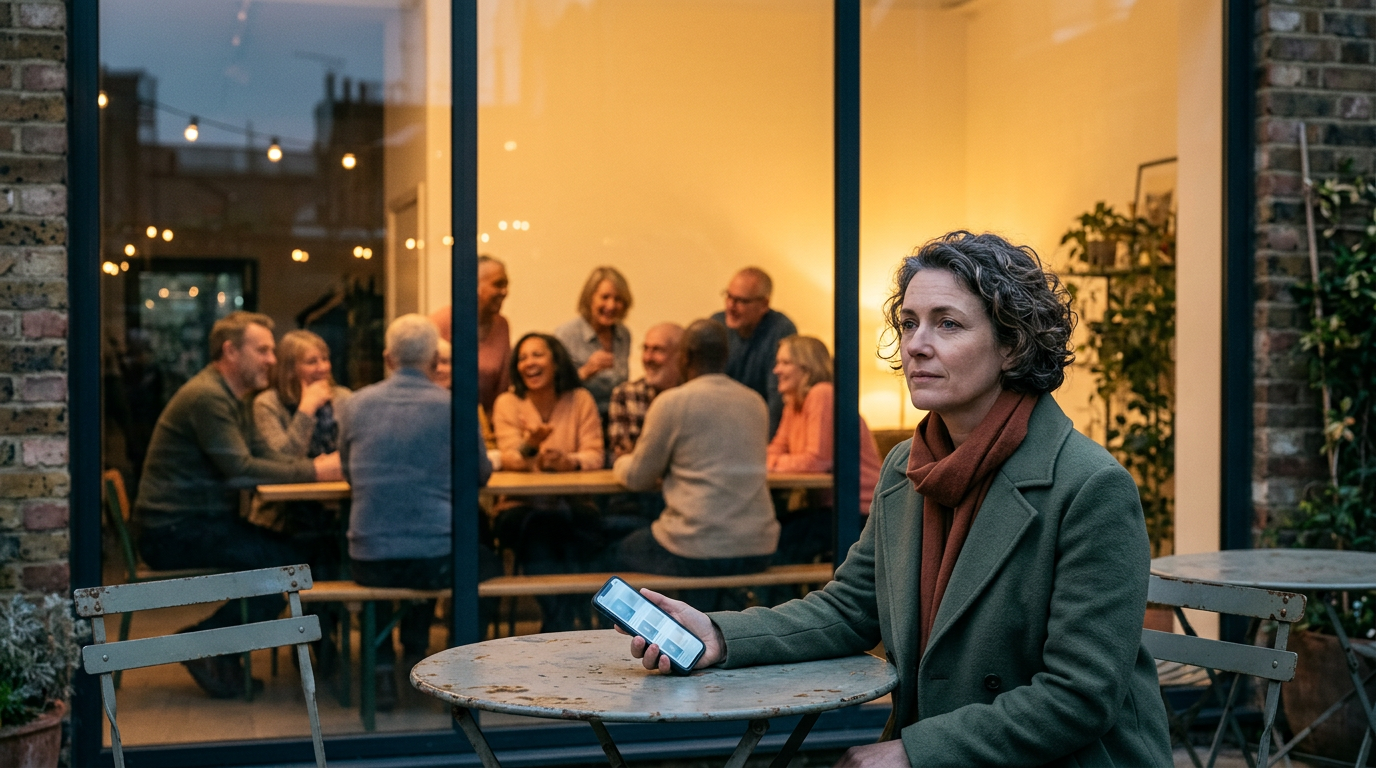
What if the problem is not that there are no good men or women left? What if the problem is that modern dating has quietly trained us to reject real people before we ever get the chance to know them? And what if the thing we blame most, dating apps,

Editor’s note: This regular editorial article takes inspiration from Kait Willett’s YouTube video, “Divorce: Why the System is Failing Men[1].” It examines the wider cultural messages that can make mid-life singles wary of forming a new committed relationship. It does not offer legal, mental-health, or domestic-violence advice.